
Online Film School Free » Film Directing Course » The Triple Take Method
The Triple Take Method: A Directing Technique for Seamless Editing
The Triple Take Method – also known as the Overlapping Method in filmmaking – is one of the most reliable directing techniques for continuity. It’s especially useful when you want smooth scene transitions and consistent action between camera angles.
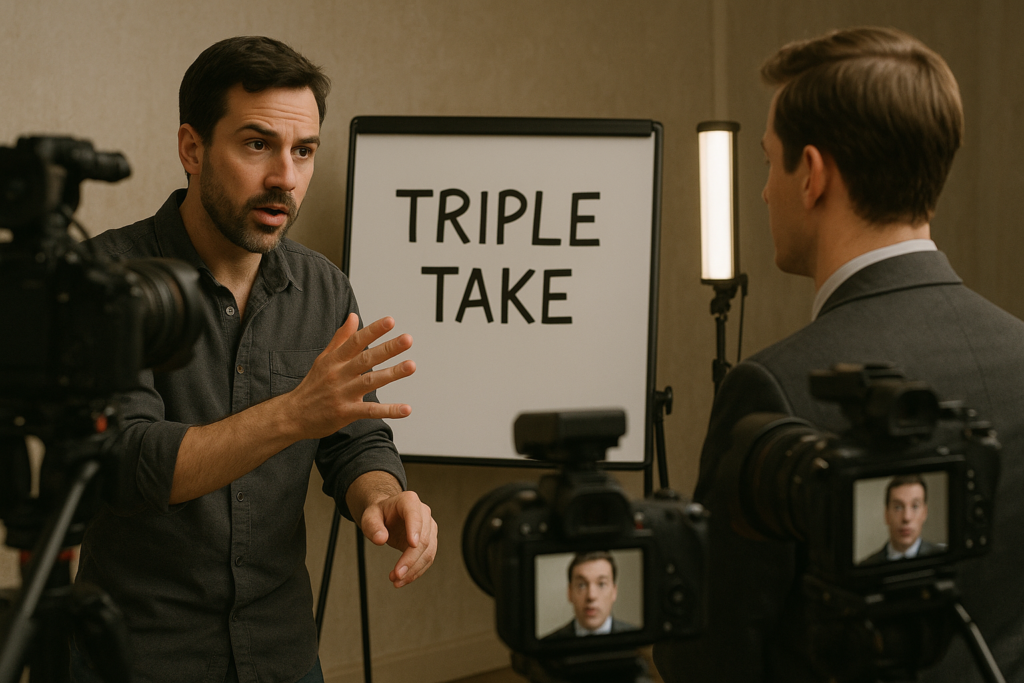
Table of Contents

Whether you’re shooting a scripted scene, working without a script, or creating a documentary, learning how to use the triple take method in film can drastically improve the flow of your edits. This method is also a go-to for filmmakers who want to master how to cut in action in film editing without jarring jumps.
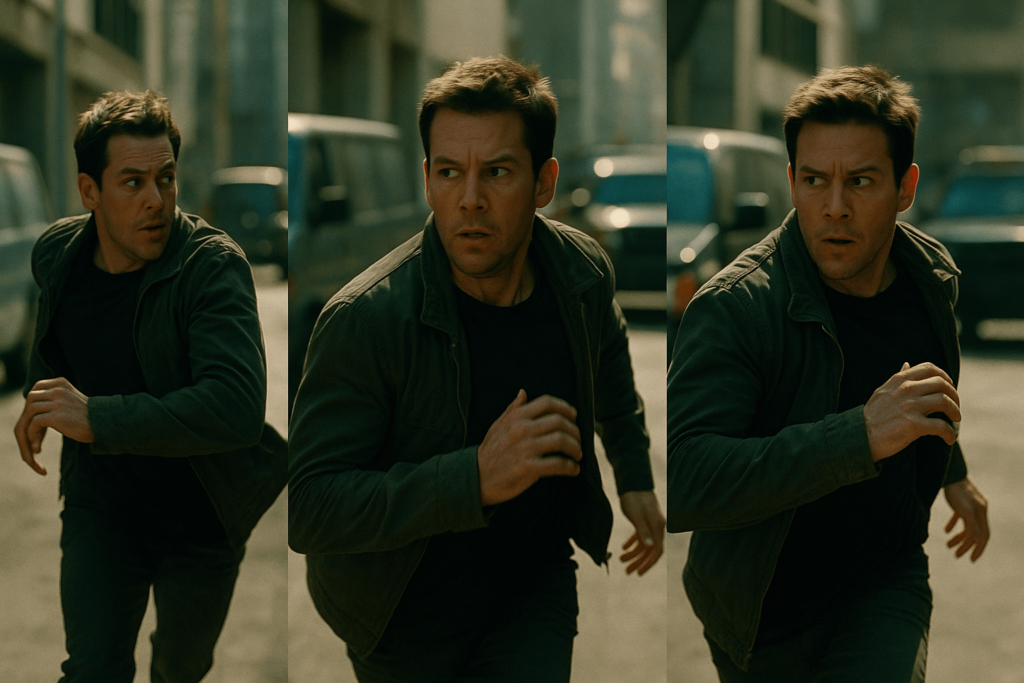
In this film direction course online I try to bring you the most practical method for directing. The triple take method is a basic one, and it is an excellent practice, especially when working without a script and for documentaries, but also great for scripted scenes.
What Is the Triple Take Method in Film Directing?
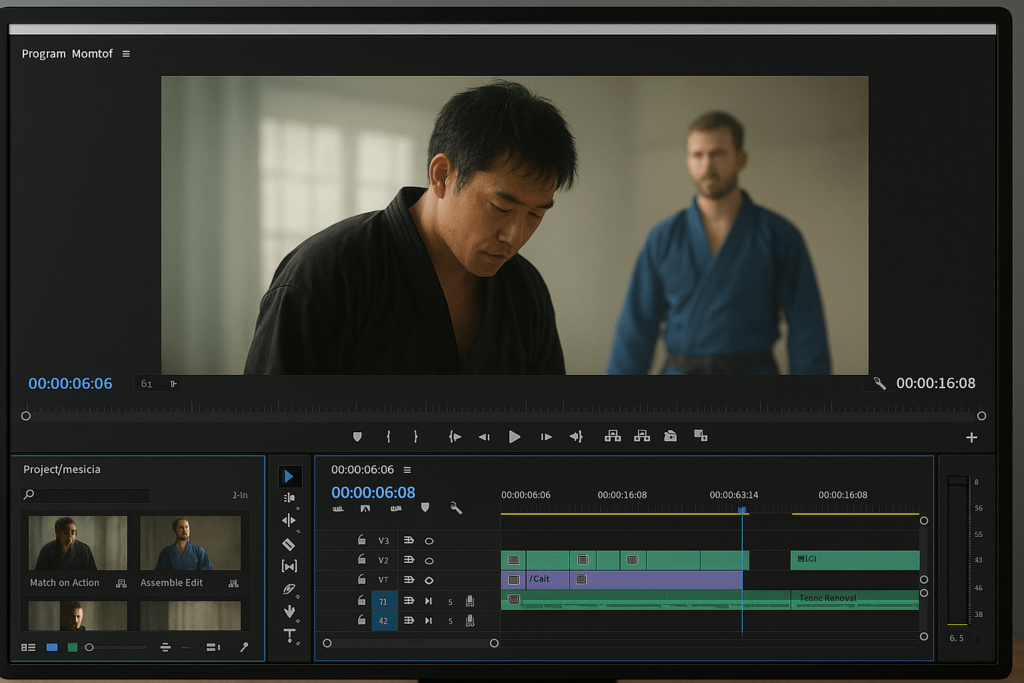
The triple take method in film directing is a simple but powerful continuity technique. The core idea is to repeat the last few seconds of the previous shot when filming the next angle, creating an “overlap” that makes it easy for editors to create film editing techniques for smooth transitions.
It’s sometimes called the overlapping method filmmaking approach because each new shot contains a small segment of the previous shot’s action. This overlap gives editors more flexibility in post-production, ensuring that the final cut feels seamless.
How to Shoot With the Triple Take Method
Follow these steps to successfully apply the triple take method:
Film the action from the first angle – Capture your scene normally from your chosen starting perspective.
Stop the actor and reposition the camera – Change your angle to give variety to your scene coverage.
Have the actor repeat the last few seconds of the previous shot – This creates the necessary overlap for smooth editing.
Continue the scene in the new angle – Pick up the action seamlessly from the repeated movement.
Repeat for each new camera angle – Maintain the same overlap each time to give the editor consistent material.
By doing this, your footage will have multiple edit points that can be stitched together with zero visual jumps.
When to Use the Triple Take Method
This technique is highly adaptable, but works best in:
Documentaries (especially when shooting without a script) require the technique.
- Unscripted shoots where timing may vary between takes
- Scripted scenes where continuity is critical
Situations with multiple camera angles and movement
Directing tip for documentaries: Avoid using it in highly emotional or improvised moments where repeating the same physical action could break the natural flow.
Triple Take Method vs. Master Scene Technique
Many new directors confuse the overlapping method with the traditional master scene technique. While both are foundational film directing techniques, they serve different purposes.
The master scene technique involves shooting an entire scene from beginning to end in one wide master shot, and then repeating the entire scene from closer angles (medium shots and close-ups). This gives the editor maximum flexibility but takes a significant amount of time on set.
The triple take method, on the other hand, is much more segmented. Instead of running the whole scene repeatedly, you only overlap the specific action taking place right before and after the cut. This saves massive amounts of time, especially in documentary filmmaking or when working without a script, where performing an entire scene perfectly multiple times simply isn’t an option.
Example of the Triple Take Method in Action
Imagine a scene where an actor opens the door, walks to the TV, turns it on, and sits on the couch.
First take: Actor opens the door and steps inside (Angle A).
Second take: Reposition camera, have actor step inside again, and walk toward the TV (Angle B).
Third take: Reposition again, start with actor walking to TV and turning it on (Angle C).
Final take: Reposition once more, start with actor turning the TV on and sitting on the couch (Angle D).
This overlapping ensures every angle has a clean entry and exit point for film editing techniques for smooth transitions.
Pro Tips for Using the Triple Take Method
Always shoot a master scene as a backup—this provides extra safety if overlaps don’t match perfectly.
Brief your actors in advance so they understand why actions will be repeated.
Avoid using the method in highly emotional moments unless the actor can consistently reproduce the same performance.
Pair it with other directing techniques for continuity like matching eyelines and consistent blocking.
Final Thoughts
Learning how to use the triple take method in film can transform your editing process. It gives you more control over pacing, ensures seamless scene transitions, and makes your work look professional—even in low-budget or unscripted environments.
For more directing tips for documentaries and shooting without a script techniques, explore our full series on practical filmmaking methods.