
Online Film School Free » Film Editing Course » Digital Video Editing for a Comedy
Video Editing for Comedy
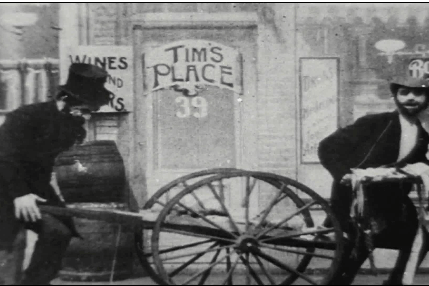
Comedy editing is an art of absolute precision. A difference of just one or two frames can determine whether a joke “lands” or falls completely flat. When mastering video editing for comedy, you must realize you are the film’s “final writer.” You are entirely responsible for constructing the pace, rhythm, and punchline during the post-production stage.
So, how do you guarantee the laughs?
Let’s break down the essential framework.
1. Core Principles of the Cinematic Joke
Every great joke relies on a solid foundation. Before you even touch the timeline, you need to understand these foundational comedy editing techniques.
The Rule of Threes
This is a classic technique involving a “setup, setup, twist” structure. The first two setups establish the rhythm and expectation in the viewer’s mind. Then, the third beat completely shatters those expectations.
The Straight Man
Humor almost always arises from contrast. It thrives in the space between a serious character and an absurd one. In editing, you can apply this by cutting from a sincere, deeply serious moment directly to something utterly ridiculous.
Setup Before Punch
Are you staring at a joke that just isn’t working?
Here is the truth.
The problem is almost always in the setup rather than the punchline. The setup must be crystal clear so the audience fully understands the context before the joke arrives.
Finding “The Button”
Every comedic scene has a peak. This is known as “the button,” and it represents the strongest moment in a sequence. An editor must meticulously build the scene so it peaks exactly at this moment and concludes there optimally.
In my scriptwriting course, I have a lesson called How to Write a ComedyScript? I recommend reading it in order to understand comedy better.
Mastering Comedic Timing and Pacing
Pacing is the heartbeat of humor. Nailing comedic timing in film separates amateur cuts from professional masterpieces.
Cut it Tight
The first rule of comedy editing is that faster is usually funnier. You should cut immediately after the punchline. Sometimes, this even means clipping the last six frames of the final word to instantly trigger the laughter.
Trimming the Fat
The ultimate enemy of comedy is the unnecessary pause.
You must be ruthless.
“Trim the fat” by eliminating any silences or dead space that do not serve the joke.
Leaving Room for Laughter
However, there is a crucial exception to tight pacing. In sitcoms or films intended for large theatrical audiences, the editor must decide how much “air” to leave. You have to give the audience time to laugh so they don’t miss the next vital piece of information.
Look at the famous Lobster Scene in Annie Hall.
Woody Allen’s Alvy and Diane Keaton’s Annie are frantically trying to cook lobsters. Interestingly, this is a one-shot, meaning there is no actual video editing happening within the take.
But why does it work so well?
It is a masterclass in comedic timing. The scene allows breathing room for audience laughter, especially when Alvy jokes about sending the lobsters to the city. As an editor, studying this natural pacing teaches you exactly how long to hold a shot.
Another brilliant example is the restaurant scene in Mrs. Doubtfire. Robin Williams’ character is frantically juggling between personas at two different tables. The scene’s comedic timing is perfectly adjusted for audience reactions, holding on the chaos just long enough as the disguise hilariously starts to fall apart.
Using Awkward Silences
Sometimes, silence is the joke. An intentionally over-extended pause can create an awkward or absurd moment. By staying on a shot uncomfortably long, the silence becomes a punchline in itself.
3. Key Video Editing Tools for Comedy
Your timeline is filled with tools to manipulate emotion. Here is how to use them effectively during post-production for comedy.
The Power of the Reaction Shot
This is the number one tool in comedy editing.
It allows the audience to identify with the characters’ emotions and provides the necessary time to laugh. Often, a character’s stunned look or a sudden “double-take” is exactly what generates the biggest laugh in the theater.
Think about the therapy group scene in Austin Powers: International Man of Mystery.
Dr. Evil goes on a long, bizarre monologue about his childhood. The editing relies heavily on reaction shots from the other characters as they slowly understand that he is completely crazy. The more they realize it, the more we are brought onto their level, making the scene exponentially funnier.
But a quick warning.
Be wary of overusing reaction shots. If leaned on too heavily, they can feel like a forced “laugh track” telling the audience how to feel.
If you want to master the art of humor, check out our guide on how to write a comedy script.
Performance Over Perfection
Technical perfection means nothing if the joke isn’t funny. Always choose the take with the absolute best comedic delivery. You should do this even if the lighting, focus, or words aren’t technically perfect from a production standpoint.
Sound Design and Music
Audio is half the comedic experience. A highly specific sound effect, like a squeak or a dull thud, can turn a mediocre joke into a great one. Experimenting with music that stops abruptly or starts exactly on the punchline can massively amplify the comedic effect.
4. Workflow Strategies for the Editor
A successful editor relies on strict mental discipline. Here are the workflow strategies to keep your cuts sharp.
Kill Your Darlings
This is the hardest part of the job. You must be ruthless and remove jokes that simply aren’t working. You have to cut them even if you personally love them or if they were extremely difficult and expensive to film.
Screening with Others
An editor will inevitably become “numb” to a joke after hundreds of viewings.
The solution is simple.
Watch the cut with another person in the room. This allows you to experience the scene through fresh eyes and hear exactly when (and if) they actually laugh.
Maintaining Realism
Comedy needs grounding. The more realistically and authentically a situation is presented, the better. No matter how ridiculous the premise, treating it authentically makes it easier for the audience to connect and laugh.
Editing Improvisation (Improv)
When working with improvised material, editing becomes the ultimate “glue.” You are connecting successful moments while seamlessly hiding the mistakes. This requires a strong visual memory of all takes so you can find the perfect reaction to an unexpected “curveball” thrown by an actor.
5. Adapting to Comedy Subgenres
Not all comedy is created equal. Your editing approach must shift depending on the genre.
Character Comedy
Sometimes the actor is doing all the heavy lifting. If a comedic genius like Charlie Chaplin or Peter Sellers is doing brilliant work, step back. It is often best to edit as little as possible and stay entirely out of the way of the performance.
Visual Comedy (Slapstick)
This is highly technical work. The editor builds every physical gag by hand through the exact timing of the cut. Using techniques like fast motion or undercranking can transform a moment of physical pain into something visually hilarious.
Parody
Parody requires strict visual discipline. The secret is to replicate the original genre as accurately as possible through cinematography, music, and editing. Then, you change only one absurd element to generate the laugh.
Conclusion: The Subjective Art of the Laugh
At the end of the day, comedy editing is a highly subjective process. It requires the editor to deeply trust their gut feeling.
By mastering rhythm, manipulating sound, and utilizing strategic reaction shots, you can extract the maximum impact from every single moment. I recommend going through all of our lessons in the video editing course to understand more. Remember, excellent video editing for comedy is invisible to the audience, but it is the very engine driving their laughter.