
Last updated on: March 8th, 2026
Online Film School Free » Film Directing Course » Film Cinematography for Directors » ND Filters Review
Are Freewell ND Filters Worth it for Filmmakers in 2026?
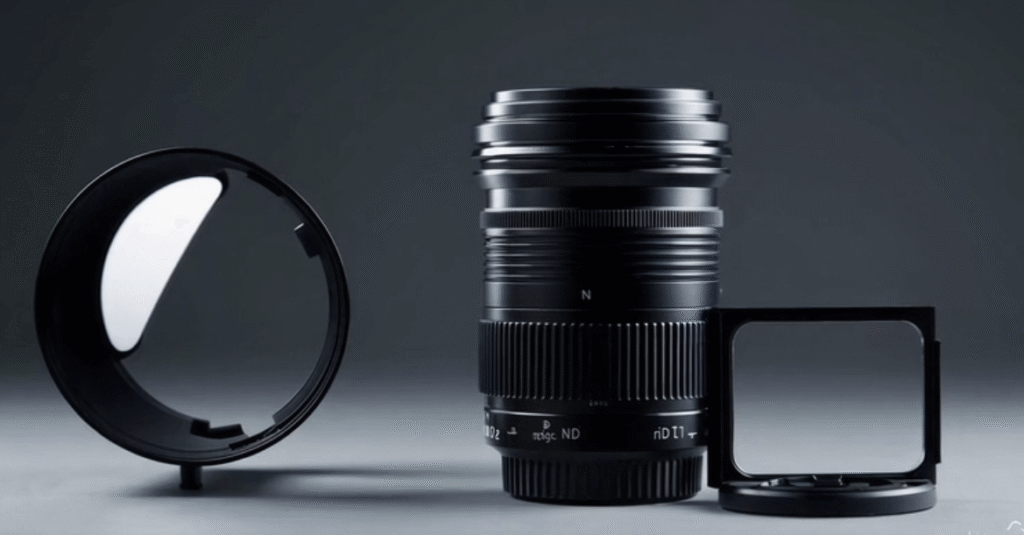
If you’re serious about filmmaking, whether you’re shooting weddings, vlogs, client work, or short films, you’ve probably run into the same issue: too much light, not enough control. This is where the ND filters come in.
Table of Contents
Neutral density (ND) filters allow you to reduce light entering your lens without changing your aperture or ISO. This gives you the flexibility to shoot with cinematic motion blur, wide apertures, and proper exposure – even under harsh daylight.
Among the rising names in the ND filter game is Freewell, a brand known for its affordable, modular, and filmmaker-friendly systems. But with so many brands on the market, including giants like PolarPro and NiSi, you might be wondering: Are Freewell ND Filters Worth it for Filmmakers in 2026?
In this detailed review, we’ll break down what Freewell does right, where it falls short, and how it stacks up against the competition. Whether you’re shooting on a Sony FX3, a Canon R5C, or even an iPhone, you’ll find out if Freewell filters are the right match for your kit and for your budget.
Disclosure: Some of the links in this article are affiliate links. If you purchase through them, I may earn a small commission – at no extra cost to you. I only recommend gear I trust and believe will bring value to fellow filmmakers.
What Are Freewell ND Filters and How Do They Stand Out?
Freewell is a camera gear brand that’s carved out a loyal following among filmmakers, hybrid shooters, and mobile content creators. While they offer everything from drone accessories to smartphone rigs, their ND filter systems are what put them on the map.
What makes them different? It’s not just about price, it’s about speed, flexibility, and real-world usability.
Most traditional ND filters are either fixed (you need to swap them manually as light changes) or variable (adjustable, but prone to cross-polarization or color cast). Freewell’s solution? A modular, magnetic, and locking filter system that combines ND, CPL (circular polarizer), and diffusion all in one setup.
Here’s what makes Freewell filters stand out in 2026:
Modular, Stackable System
Freewell offers a snap-on locking system that lets you quickly attach, remove, or combine filters without unthreading anything. Add a mist filter? Snap it on. Need to jump from ND3 to ND10? Just swap the front element. It’s fast, clean, and built for solo shooters or fast-paced shoots.
All-in-One Variable ND + CPL Options
Their Hybrid V2 system combines a variable ND (3–7 stops) with a built-in polarizer, giving you control over both exposure and reflections with one filter. The newer versions have hard stops to avoid that dreaded X-pattern, and you can fine-tune the CPL without disturbing the ND level.
Support Across All Platforms
Freewell doesn’t stop at mirrorless systems. Their ND filters are available for:
- Drones (DJI, FPV)
- Action cams (GoPro, Osmo)
- Smartphones (MagSafe-compatible kits)
- Traditional DSLRs and mirrorless cameras (with step-up rings)
Whether you’re shooting commercial video, wedding footage, travel content, or cinematic shorts, Freewell has a kit for your rig.
Affordable Without Cutting Corners
While brands like PolarPro are known for exceptional build quality (at a premium), Freewell hits a sweet spot: good glass, reliable mechanics, and modular design at a mid-range price. For many indie filmmakers, that’s the perfect balance of quality and value.
In short:
Freewell’s ND filters are designed for working filmmakers who need cinematic control without workflow friction. They’re not just cheaper alternatives; they’re thoughtfully engineered tools that fit real-world shooting conditions.
What Freewell Filters Do Well (Pros)
Freewell filters aren’t just “budget gear,” they’re actually good. If you’re a filmmaker, hybrid shooter, or content creator looking for performance without premium pricing, here’s what Freewell gets right.
Reliable Optical Quality
Freewell filters are built with color-neutral optical glass, which helps preserve your footage’s true colors even in bright outdoor conditions. Across multiple tests and real-world use, Freewell filters show:
- Minimal color shift (a slight cool or warm tint in some lighting, but nothing dramatic)
- No significant sharpness loss – image stays crisp, even with stacked filters
- Low reflection thanks to multi-coating on the glass
In comparison with brands like NiSi and Haida, Freewell’s newer filters hold their own, even outperforming older versions of premium filters that used to dominate the market.
Better Control for Cinematic Motion Blur
If you shoot video, following the 180° shutter rule is key for natural-looking motion blur. But bright conditions often force you to use fast shutter speeds, leading to that “crispy” look.
Freewell ND filters make it easy to maintain the right exposure and slow down your shutter without adjusting ISO or aperture. Whether you’re filming weddings, b-roll, interviews, or travel content, these filters help you:
- Nail that cinematic look
- Stay consistent across lighting conditions
Avoid harsh overexposure while keeping wide apertures
Versatile Options Across Camera Systems
Freewell doesn’t just serve one niche. Their lineup includes:
- Magnetic quick-swap kits for fast changes in the field
- Real Locking Variable ND/CPL combos with hard stops
- Drone-specific ND packs (DJI, FPV)
- Mobile filmmaker kits (iPhone, MagSafe-ready)
- Fixed ND and mist filters for stylized shooting
This flexibility is huge for hybrid creators shooting across multiple platforms. You can build a system that matches your style and expand it as your gear evolves.
Competitive Pricing
Compared to PolarPro or NiSi, Freewell offers a strong price-to-performance ratio. Here’s what that looks like in real terms:
Competitive Pricing
Compared to PolarPro or NiSi, Freewell offers a strong price-to-performance ratio. Here’s what that looks like in real terms:
| Brand | Avg Price (VND Kit) | Notes |
|---|---|---|
| Freewell | $149 – $249 | Modular, stackable, great glass |
| PolarPro | $250 – $400+ | Slightly better build, premium cases |
| NiSi | $200 – $300 | Excellent optics, less modular |
Real-World Feedback Supports This
Filmmakers and gear reviewers report that Freewell filters:
- Snap on/off quickly
- Offer fast adjustments without breaking flow
- It has solid build quality, even if not quite as rugged as PolarPro
- Let you shoot more efficiently in unpredictable light
What Filmmakers Should Know Before Buying (Cons & Limitations)

As strong as Freewell filters are for the price, they’re not without trade-offs. Here’s what to consider before hitting “buy”, especially if you’re shooting professionally or need maximum optical precision.
Not 100% Color Neutral
While Freewell filters are mostly color-accurate, some users report slight tinting — usually leaning cool (blue) or warm, depending on filter strength and angle of light.
- The CPL (polarizer) component can subtly warm up the image
- The VND shows a slight saturation drop at higher stops
- These shifts are usually minor and easily corrected in post (white balance, tint sliders, or gray card)
Still, if you’re shooting high-end commercial work where perfect color is critical, this is worth noting.
Vignetting at Wide Angles or When Stacking
If you’re shooting at 16mm or wider, or stacking multiple filters (e.g. VND + mist), you may notice edge darkening (vignetting).
This depends on:
- Your lens diameter
- Whether you’re using step-up rings
- How many filters you stacking
💡 Pro Tip: Use a larger filter size (e.g., 82mm) with step-up rings to reduce vignetting on wide lenses. Also, crop in or enable active stabilization if your camera supports it (Sony Dynamic Active, etc.).
Variable ND Artifacts at High Stops
Like all variable ND filters, Freewell’s VNDs can suffer from cross-polarization or the dreaded X-pattern when pushed to the extremes (e.g. 7–10 stops).
This is a known limitation of VND tech, not specific to Freewell. That said:
- Freewell’s hard stops help minimize the effect
You’ll get better results by avoiding max stops and using proper exposure settings
Build Quality: Mostly Solid, Not Ultra-Premium
Freewell’s locking and magnetic systems work well — but a few users report:
- Slight play or looseness when not fully locked
- Magnets not as strong as they could be on certain filter sizes
- Step-up rings require manual threading (not magnetic), which slows you down a bit
Compared to PolarPro, Freewell is a little less rugged, but still reliable for most everyday and pro use cases.
EIS Issues with Action Cams
On action cameras like the DJI Osmo Action or GoPro, combining Freewell ND filters with electronic image stabilization (EIS) can cause:
- Motion artifacts
- Slight ghosting during fast moves
Solution? Test your setup and balance ND level with EIS mode. Sometimes a slightly faster shutter or wider aperture works better than forcing full cinematic settings.
Bottom Line on Limitations
Freewell ND filters are impressively capable — especially for the price — but they’re not magic. Know their boundaries, and you’ll get the most out of them.
How Freewell Compares to Other ND Filters in 2026
With so many filter brands on the market, from industry staples like PolarPro and NiSi to strong challengers like Haida, it’s fair to ask:
Where does Freewell actually stand?
Here’s a head-to-head breakdown of how Freewell stacks up in the areas that matter most to filmmakers:
Optical Quality
Freewell filters deliver strong performance when it comes to color fidelity and clarity.
- Slight cool/warm tint depending on angle, but minor and fixable in post
- Comparable to NiSi, slightly behind PolarPro and Haida in terms of perfect color neutrality
- Saturation holds up well, even at mid-to-high stops
Verdict: For most creators, the difference is negligible — especially if you grade your footage anyway.
Build Quality & Design
Freewell’s locking system is a major plus, giving you fast and secure filter swaps. The materials feel solid, but not quite tank-like.
- PolarPro wins here with ultra-premium materials and tighter locking threads
- NiSi is close behind with great construction, but fewer modular options
Freewell: Slightly less rugged but extremely functional, especially for solo shooters
Modularity & Ease of Use
This is Freewell’s biggest strength.
- Quick-swap locking system = faster than magnetic-only or thread-based filters
- Stackable system lets you build a filter setup: ND + CPL + mist + anamorphic
- Step-up ring support adds flexibility across lens sizes
- Useful for drone, mobile, and hybrid shooters — not just mirrorless systems
Verdict: Freewell offers the most versatile system in the category.
Price-to-Performance Ratio
| Brand | Avg Price (VND Kit) | Modular? | Color Neutrality | Build Quality | Best for |
|---|---|---|---|---|---|
| Freewell | $149 – $249 | Yes | Very Good | Good | Indie shooters, hybrid creators |
| PolarPro | $250 – $400+ | Limited | Excellent | Excellent | High-end pros, client work |
| NiSi | $200 – $300 | No | Excellent | Very Good | Landscape, high-res photo/video |
| Haida | $180 – $250 | Limited | Excellent | Very Good | Budget-conscious pros |
Verdict: Freewell gives you more tools for less, even if it lags slightly in color neutrality and ruggedness.
Who Should Choose Freewell?
You should consider Freewell if you’re a…
- Filmmaker or YouTuber looking for high control without premium pricing
- Solo shooter who needs fast filter swaps without a matte box
- Creator who shoots across multiple platforms (phones, drones, mirrorless)
You might want PolarPro/NiSi if you…
- Work in commercial or agency settings with demanding color requirements
- Need filters that are absolutely neutral and bomb-proof
- Rarely need to swap or stack filters on the fly
Recommended Freewell ND Kits for Filmmakers in 2026
There’s a Freewell filter setup for just about every kind of shooter — whether you’re working with a Sony FX3, a DJI Mini drone, or even your iPhone. Below are three standout kits that offer strong performance and value in 2026.
1. Freewell Real Locking VND/CPL Filter All Day Kit
Price: $210 USD
Best for: DSLR/mirrorless filmmakers, wedding videographers, solo shooters
Includes:
- 3-7 stop VND
- 6-10 stop VND
- Built-in CPL
- Locking filter frame + step-up rings
- Carrying case
Why it’s great:
This is Freewell’s flagship variable ND system – with locking tabs for ultra-fast swaps and hard stops to eliminate cross-polarization. You can easily switch between ND levels mid-shoot without fiddling or unthreading filters.
Upgrade your filmmaking setup with the Freewell Real Locking VND Kit — check current price here
2. Freewell Variable ND/CPL Filter Kit – ND32
Price: $295 USD
Best for: Highlight outdoor shoots, commercial b-roll, drone videography
Includes:
- ND32 (5-stop)
- CPL filter
- Premium case
- Step-up ring kit
Why it’s great:
For shooters who don’t need full range VND but want precision control in bright conditions, this fixed ND + CPL combo gives you clean, color-accurate footage without optical compromises.
Shoot crisp, glare-free footage under any light – get this ND32 kit here
3. iPhone Pro Filmmaker Basic Kit – VND1-5 Filter & MagSafe Case
Price: $130 USD
Best for: Mobile filmmakers, hybrid creators, travel vloggers
Includes:
- Variable ND 1-5 stop
- MagSafe-compatible phone case
- Filter mount system
Why it’s great:
If you’re using an iPhone 15 Pro or a similar phone, this is one of the best smartphone filter setups in 2026. The kit is slim, magnetic, and fast – perfect for creators who want cinematic depth and blur without carrying a full rig.
📱 Level up your iPhone cinematography with Freewell’s mobile ND kit — view details here
Final Verdict: Should You Buy Freewell ND Filters in 2026?
Freewell has come a long way – from a budget-friendly alternative to becoming a legit contender in the pro-filmmaking gear space.
In 2026, they’re not just “good for the price.” They’re just good, period.
Why They’re Worth It:
- Strong optical quality with minimal color cast
- Modular filter system that’s fast, flexible, and easy to use
- Works across multiple platforms: DSLR, mirrorless, drone, mobile
- Affordable price point with pro-level performance
Freewell filters are ideal for:
- Indie filmmakers
- Content creators
- YouTubers
- Solo run-and-gun shooters
- Anyone building a compact, high-performance gear kit on a budget
When You Might Look Elsewhere:
- If you shoot ultra-wide lenses and rely heavily on stacking
- If your projects demand absolute color accuracy out of the box
- If you want an ultra-premium build for rugged commercial environments
In those cases, a more expensive system like PolarPro or NiSi might be worth the investment.